%2Ffit-in%2F250x250%2Fusers%2Fd140aae7-3121-4e3e-9e6c-6dea53e1b82e%2Fimages%2F9fd5b101-1d71-4a80-b950-6e5a073f5055.jpg&w=1920&q=100)
/users/d140aae7-3121-4e3e-9e6c-6dea53e1b82e/ratecard/519458015_713423834820491_1072522924467265573_n-mfd7e4fe.jpg)
%2F300x300%2Fusers%2Fd140aae7-3121-4e3e-9e6c-6dea53e1b82e%2Fratecard%2F519458015_713423834820491_1072522924467265573_n-mfd7e4fe.jpg&w=256&q=75)
%2F300x300%2Fusers%2Fd140aae7-3121-4e3e-9e6c-6dea53e1b82e%2Fimages%2Fmixed-bag-st-james-city-3019.jpg&w=256&q=75)
%2F300x300%2Fusers%2Fd140aae7-3121-4e3e-9e6c-6dea53e1b82e%2Fimages%2Fst-james-city-fishing-trip-2673.jpg&w=256&q=75)
%2F300x300%2Fusers%2Fd140aae7-3121-4e3e-9e6c-6dea53e1b82e%2Fimages%2Fsnook-catch-st-james-city-2653.jpg&w=256&q=75)
%2F300x300%2Fusers%2Fd140aae7-3121-4e3e-9e6c-6dea53e1b82e%2Fimages%2Ffishing-adventure-florida-2598.jpg&w=256&q=75)
%2F300x300%2Fusers%2Fd140aae7-3121-4e3e-9e6c-6dea53e1b82e%2Fimages%2Fredfish-caught-florida-2682.jpg&w=256&q=75)
%2F300x300%2Fusers%2Fd140aae7-3121-4e3e-9e6c-6dea53e1b82e%2Fimages%2Fredfish-haul-florida-2676.jpg&w=256&q=75)
%2F300x300%2Fusers%2Fd140aae7-3121-4e3e-9e6c-6dea53e1b82e%2Fimages%2Ffishing-st-james-city-2716.jpg&w=256&q=75)
%2F300x300%2Fusers%2Fd140aae7-3121-4e3e-9e6c-6dea53e1b82e%2Fimages%2Fspotted-weakfish-st-james-city-2634.jpg&w=256&q=75)
%2F300x300%2Fusers%2Fd140aae7-3121-4e3e-9e6c-6dea53e1b82e%2Fimages%2Ftwo-anglers-catch-redfish-in-2634.jpg&w=256&q=75)
Pine Island's Best Extended Half-Day Fishing Trip
 Pine Island, FL
What you will be catching:
 Redfish
 Sea Trout
 Sheepshead
 Snook
Snook
- This 6-hour inshore fishing trip with Captain Dalton Bryant gives you plenty of time to work Pine Island Sound's productive waters. You'll target redfish, sea trout, sheepshead, and snook using different techniques depending on conditions and what's biting. The captain adapts each trip to the group's preferences
- whether that's sight fishing the shallow flats, drifting deeper channels, or casting around mangrove shorelines. With space for up to 4 anglers, it's perfect for families or small groups who want more fishing time than a typical half-day trip offers. All tackle and gear are included, so you just need to show up ready to fish these calm, fish-rich waters.
Trip Pricing and Availabilities:
Extended Half Day Fishing in Pine Island Waters
Six hours on Pine Island Sound with Captain Dalton Bryant means serious fishing time without the full-day commitment. This extended half-day trip gives you the perfect balance – enough time to really get into the fish while still having part of your day free. With space for up to four guests, it's built for small groups who want a personalized experience targeting the area's best inshore species. Captain Dalton knows these waters like the back of his hand and will tailor every cast to what's biting and where they're holding.
What to Expect on the Water
Pine Island Sound is one of Florida's premier inshore fishing destinations, and six hours gives you real opportunities to explore different techniques and locations. Captain Dalton runs a fully equipped boat with all the gear you need – from light tackle for finicky trout to heavier setups for bull reds. The beauty of this trip is the flexibility. If the fish are crushing topwater baits on the flats at sunrise, you'll be sight casting to tailing reds. When the tide changes and pushes bait into the channels, you might switch to live shrimp under popping corks. The mangrove shorelines hold snook and sheepshead, so expect to work different structures throughout the day. Captain Dalton reads the conditions and adjusts accordingly, which is exactly what separates good guides from great ones.
Techniques That Produce Fish
Pine Island Sound offers incredible variety in fishing styles, and this extended trip lets you experience multiple approaches. Sight casting on the shallow flats is pure adrenaline – watching a redfish cruise in two feet of crystal-clear water before placing your bait perfectly in its path. The grass flats hold massive schools of trout, especially during cooler months, and you'll work these areas with soft plastics or live bait depending on their mood. Around the mangrove shorelines, accuracy matters more than distance. Snook hide in the shadows, and sheepshead patrol the structure looking for crabs and shrimp. Captain Dalton provides spinning and baitcasting setups matched to each technique, plus a selection of lures that have proven successful in these specific waters. Live bait is often the ticket here – pinfish, shrimp, and pilchards that Captain Dalton sources fresh.
Top Catches This Season
Redfish are the backbone of Pine Island fishing, and these copper-colored bruisers provide some of the most exciting action you'll find in shallow water. Most reds here run between 20 and 30 inches, with plenty of slot fish and the occasional oversized bull that'll test your drag system. They're most active during moving tides, especially around oyster bars and grass edges where they ambush baitfish. Spring and fall offer the best redfish action, but summer brings different opportunities with fish holding deeper during midday heat. What makes redfish special is their willingness to eat – they're aggressive feeders that will crush live bait, soft plastics, and topwater plugs with equal enthusiasm.
Sea trout are the bread and butter of these grass flats, with good numbers year-round and some genuine trophy fish mixed in. The better trout – fish pushing 20 inches or more – typically hold in slightly deeper water around channel edges and potholes in the grass. They're particularly active during cooler months when water temperatures drop into the 60s and 70s. Trout have soft mouths, so the fight is more about finesse than power, but a good gator trout will make multiple runs and provide plenty of excitement. They're excellent table fare, which makes them popular with families looking to bring dinner home.
Sheepshead fishing around Pine Island's structure is some of the best you'll find anywhere. These black-and-white striped fish are notorious bait thieves, but once you hook one, they provide a surprisingly strong fight for their size. They're most active during winter months when they move inshore to spawn, and the area's docks, bridges, and mangrove roots hold good numbers. Sheepshead require patience and the right technique – they're notorious for stealing bait, so you need to stay alert and set the hook at the first sign of a bite. Many anglers consider them the best eating fish in these waters.
Snook represent the glamour species of Pine Island fishing. These ambush predators love structure and moving water, making the area's mangrove shorelines and dock pilings prime territory. They're most active during warmer months and can be incredibly aggressive when conditions align – dawn and dusk often produce explosive strikes on topwater baits. Snook are currently catch-and-release only, but the fight they provide makes them worth targeting. A slot snook will make multiple runs, often jumping clear of the water, and larger fish can really test your equipment and skills.
Time to Book Your Spot
This extended half-day format is quickly becoming the customer favorite for good reason. Six hours gives you serious fishing time without sacrificing your entire day, and Captain Dalton's local knowledge ensures you're always fishing the most productive water. The small group size means personalized attention, whether you're a beginner learning the basics or an experienced angler looking to dial in your technique. Pine Island Sound produces fish year-round, but booking ahead ensures you get your preferred dates during peak seasons. All equipment is included, so just bring sunscreen, snacks, and drinks for a world-class inshore fishing experience that consistently delivers both action and variety.
Learn more about the species
Redfish
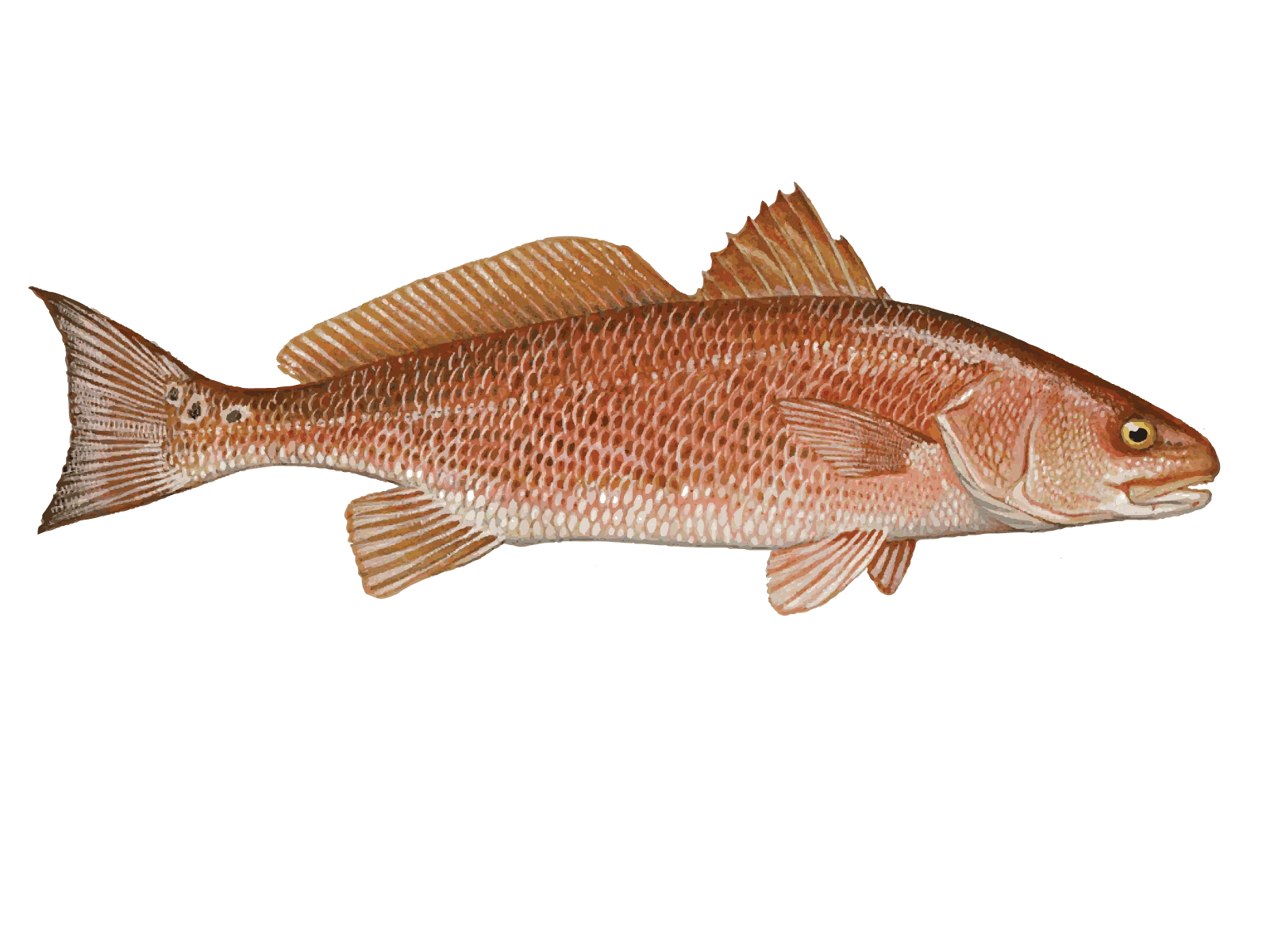
Redfish are the crown jewel of Pine Island's flats fishing. These copper-colored beauties with distinctive black spots near their tails typically range from 18-27 inches in our shallow waters. You'll find them cruising grass flats, oyster bars, and mangrove shorelines in just 1-3 feet of water - sometimes so shallow their backs stick out. They bite year-round but really fire up in spring and fall when water temps are comfortable. What makes redfish so special is their powerful, bulldogging fight and that heart-stopping moment when you spot their wake on a shallow flat. They're also excellent table fare with mild, firm meat. Local tip: look for "nervous water" or slight surface disturbances on calm days - that's usually redfish feeding in the shallows, and a quiet approach with a weedless spoon is deadly.
Sea Trout
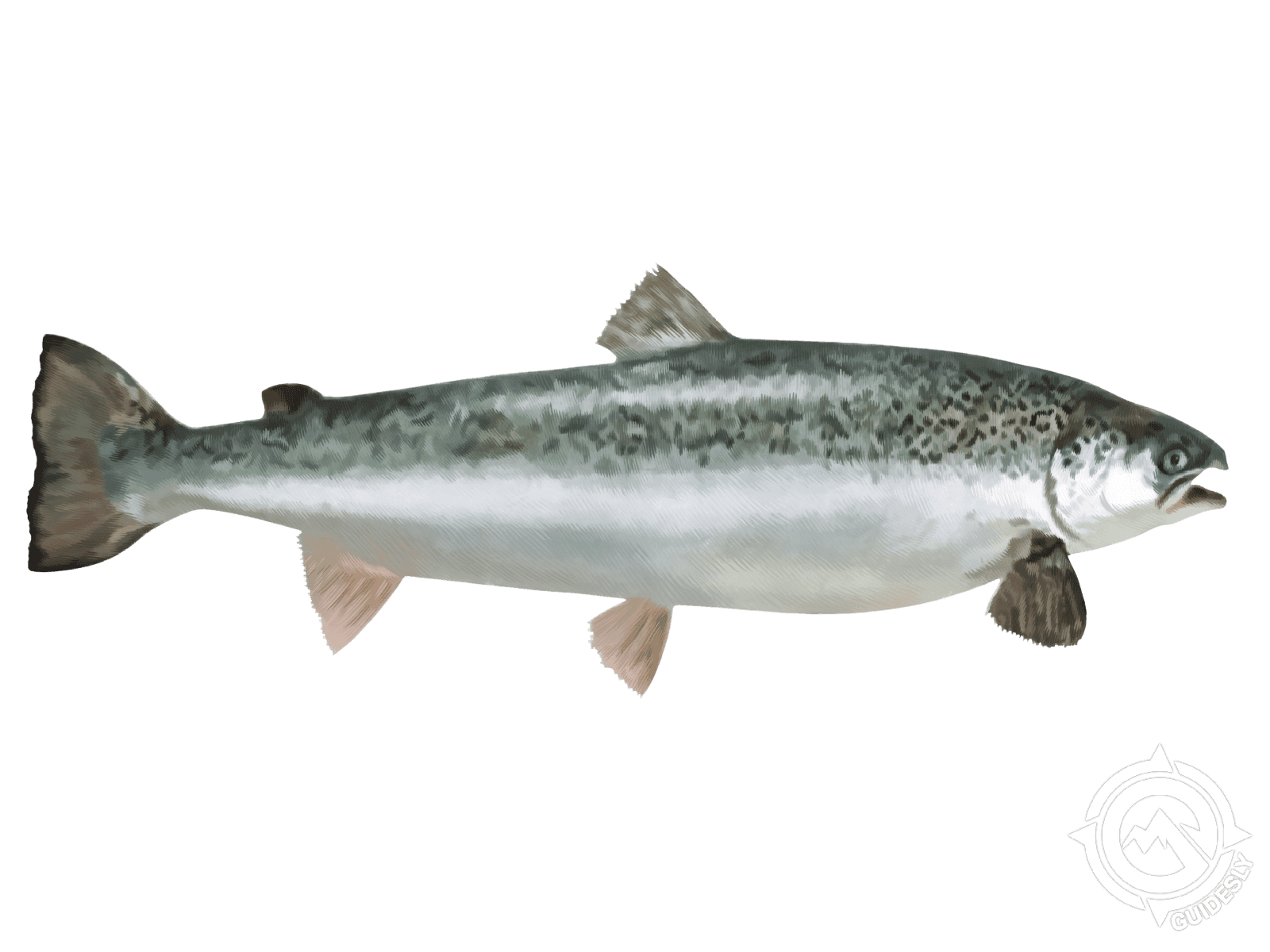
Spotted sea trout, or "specks" as we call them, are Pine Island's bread and butter fish. These beautiful spotted fighters usually run 14-20 inches and love the grass flats in 2-4 feet of water. They're most active during cooler months and low-light conditions - early morning, late evening, or overcast days are money time. What makes trout fishing so enjoyable is their willingness to hit topwater lures, creating explosive surface strikes that get everyone's heart pumping. They're also fantastic eating with delicate, flaky white meat. In winter, they school up in deeper holes and channels. Here's my go-to trick: work a soft plastic jig slowly along the bottom of grass beds, and when you find one trout, stick around - there's usually a whole school nearby.
Sheepshead
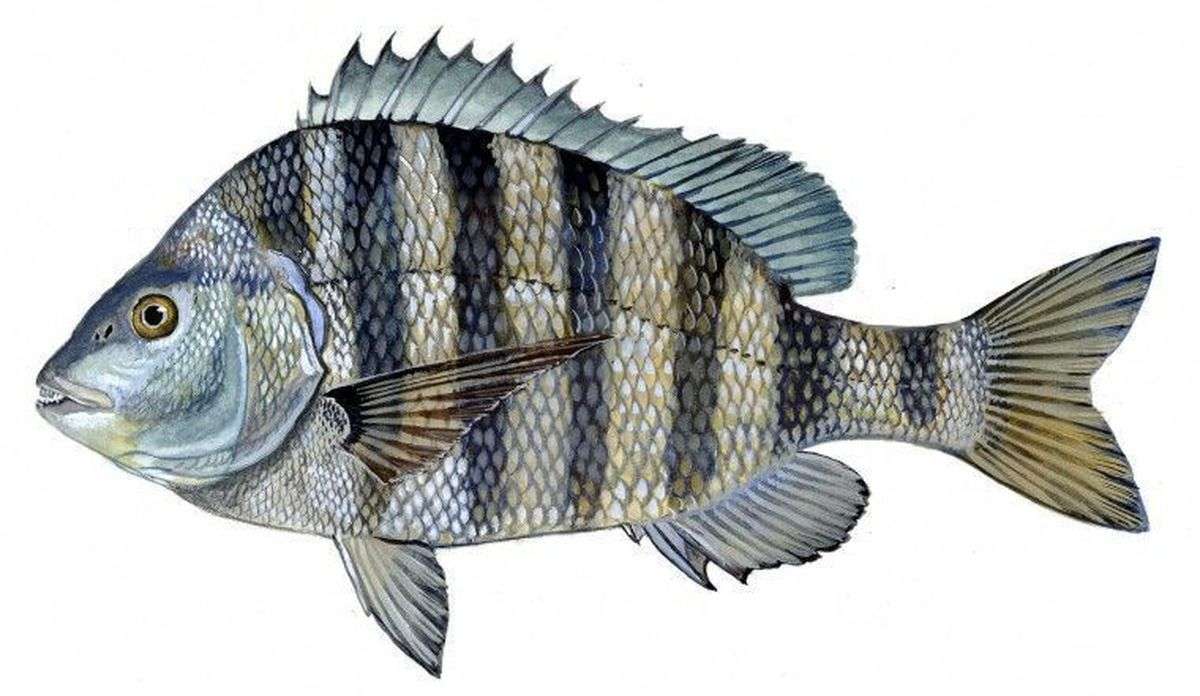
Sheepshead are the ultimate challenge for any angler - they're nicknamed "convict fish" for their black and white stripes, but I call them the bait thieves of Pine Island. These crafty fish typically run 2-5 pounds and love hanging around any structure with barnacles - docks, bridges, and oyster bars. Winter through early spring is when they really turn on, especially around the new and full moons. What guests love about targeting sheepshead is the chess match - they have human-like teeth and will steal your bait faster than you can blink. But when you hook one, they put up a solid fight and make some of the best eating around here. My secret: use a small hook with fresh shrimp, keep it tight to the structure, and set the hook hard the moment you feel weight.
Snook
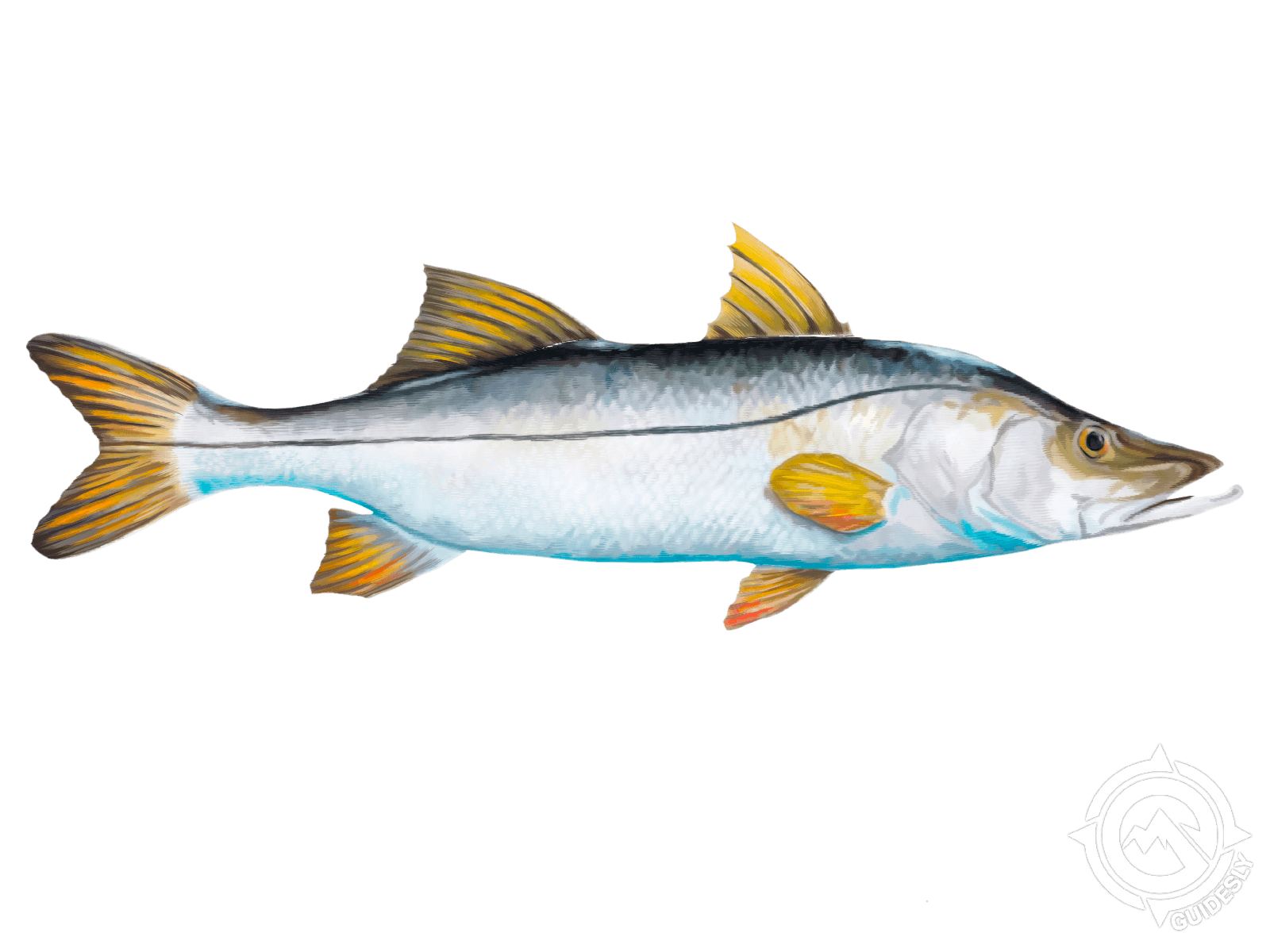
Snook are hands down one of the most exciting fish to target in Pine Island Sound. These sleek, golden-colored fighters typically run 18-28 inches around here, with that distinctive black lateral line making them easy to spot. They love hanging around mangroves, docks, and creek mouths where they ambush baitfish. Summer through early fall is prime time when they're most active and feeding aggressively. What makes snook special is their explosive strikes and acrobatic fights - they'll jump, run, and test your drag like few other inshore species. Plus, they're outstanding table fare with firm, white meat. Here's a local tip: cast your lure right into the mangrove roots where it looks impossible to fish. That's exactly where the big snook are waiting.
About the Reel Adventures
%2F%2Fusers%2Fd140aae7-3121-4e3e-9e6c-6dea53e1b82e%2Fvehicle_picture%2Fdaltonboat.jpg&w=1920&q=75)
Vehicle Guest Capacity: 4
Manufacturer Name: Yamaha
Maximum Cruising Speed: 35
Number of Engines: 1
Horsepower per Engine: 150